
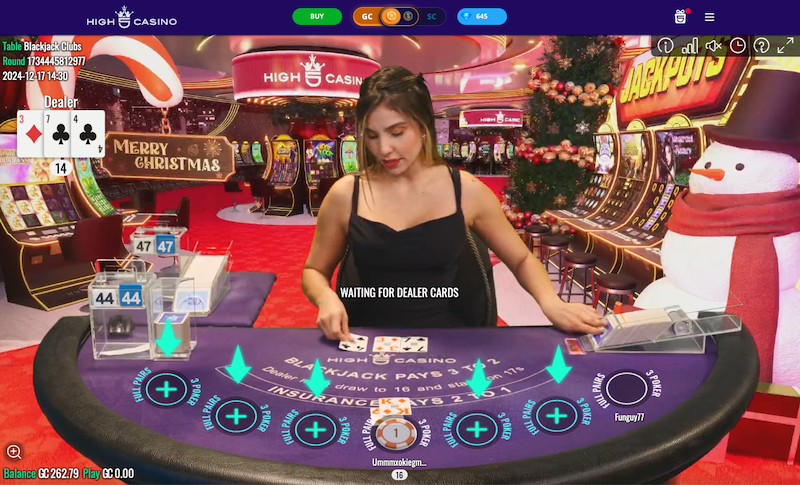

Live dealer games changed online gambling fundamentally. Players access real tables with human dealers through their devices. Cards get shuffled by hand. Roulette wheels spin physically. Dice roll across actual felt. The technology connecting these studio environments to viewers scattered globally operates with precision most players never contemplate. What appears seamless on screen requires sophisticated infrastructure handling video capture, encoding, distribution, and interactive communication simultaneously.
Broadcast studio infrastructure
· Gaming studios built specifically for live dealer operations differ from regular casinos substantially. Everything optimizes for camera performance. Lighting rigs hang overhead, calibrated to eliminate shadows and glare on cards or chips. Six or eight cameras surround each table. Some capture wide angles showing the entire playing surface. Others zoom in tight on the dealer’s hands or the roulette wheel.
· Dealers work in these controlled broadcast environments rather than traditional casino floors. Background elements often use green screen technology, allowing customization of what players see behind the table. Audio equipment captures the dealer’s speech clearly despite multiple tables operating in the same space simultaneously. The setup resembles television production studios more than gambling halls.
· Adjacent control rooms manage technical operations. Technicians monitor camera feeds, switch angles based on game action, and troubleshoot issues that arise. Optical Character Recognition systems read cards automatically. Players exploring these games often start when they claim free credit RM5 through platform promotions, testing the streaming quality and experiencing how the interactive features work before committing larger stakes to actual gameplay.
Video encoding processes
· Raw camera output contains massive data volumes. Video from a single camera can exceed 1 gigabit per second in uncompressed form. Multiply that by dozens, and transmission becomes impossible without compression.
· Encoding software reduces these files by 90% or more while preserving adequate visual quality. H.264 codecs dominated for years. Newer H.265 compression achieves better results with smaller file sizes. The encoding happens in real time because delayed processing would introduce unacceptable latency. Specialized hardware handles this work. Standard computers lack sufficient processing power for instantaneous compression of multiple HD feeds.
The balance between quality and file size requires constant calibration. Higher compression reduces bandwidth requirements but degrades image clarity. Lower compression maintains quality but demands more transmission capacity. Studios target the sweet spot where card pips remain readable, and wheel numbers stay clear while keeping data requirements manageable for global distribution.
Interactive data channels
· Video flows from the studio to players, but betting requires two-way communication. When you place a wager, that data travels back to studio systems instantly. Software validates your bet amount, confirms sufficient balance, and records the wager against the current game round.
· WebSocket protocols typically manage this interactivity. The connections remain open throughout your session, enabling fast data exchange. It operates independently of the video stream but synchronizes perfectly. Dealers see your bets displayed on monitors at the table. Chat functionality lets you communicate with dealers and other players. Everything happens concurrently with video playback.
Latency management presents the biggest technical challenge. Glass-to-glass delay describes the time between physical events at the table and their appearance on your screen. Modern systems achieve 1 to 2 seconds under optimal conditions. Some cutting-edge implementations have pushed below one second. Betting windows account for this delay, closing before dealers proceed with irreversible game actions. The timing prevents stream lag from allowing players to bet after outcomes become visible.
Synchronization extends beyond just video and betting. Game state, player balances, chat messages, and dealer communications all need coordination. The software maintains consistency across these elements despite data traveling through different paths at varying speeds. Players at different geographic locations experience slight timing variations, but the system ensures nobody gains an advantage from their connection characteristics.