
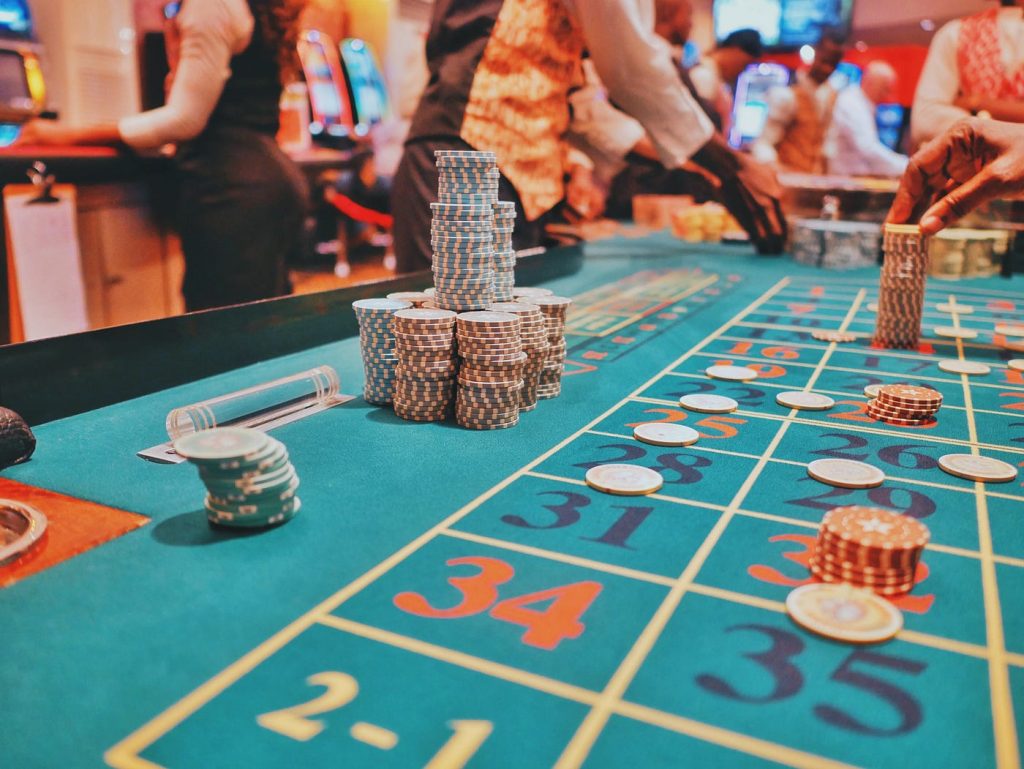

Sports betting is often described as a numbers game, but the human mind plays an equally important role in every wager. Odds may appear objective, mathematical, and rational on the surface, yet the way people interpret them is heavily influenced by psychology. Bettors rarely make decisions based on pure probability alone. Emotions, cognitive biases, social influence, and personal experiences all shape how odds are perceived and acted upon.
Understanding the psychology behind betting odds helps explain why people sometimes make irrational wagers, chase losses, or overestimate their chances of winning. It also reveals how sportsbooks design odds and betting experiences to encourage engagement. Whether someone is a casual bettor or a seasoned gambler, psychological factors influence risk-taking behavior more than most people realize.
Understanding What Betting Odds Really Mean
Betting odds represent the probability of an outcome while also determining the payout a bettor receives if the wager wins. Odds can appear in different formats, including decimal, fractional, and moneyline odds, but the core principle remains the same. They reflect perceived probability rather than certainty.
For example, if a team has odds suggesting a 70 percent chance of winning, many bettors interpret that as a near guarantee. Psychologically, the brain tends to simplify probabilities into emotional expectations. High-probability outcomes feel safe, while long-shot odds trigger excitement and dreams of large rewards.
This emotional interpretation of odds often overrides logical thinking. Instead of carefully analyzing expected value or risk, bettors frequently rely on instinct and emotion.
The Brain’s Attraction to Risk and Reward
Human beings are naturally wired to respond strongly to rewards. Betting activates the brain’s dopamine system, the same neurological mechanism involved in pleasure, anticipation, and excitement. Even the possibility of winning can create a powerful emotional response.
Oddsmakers understand this behavior well. Long-shot bets with huge payouts attract attention because they stimulate fantasies of life-changing wins. Although these bets usually carry a low probability of success, they remain popular because people emotionally focus on the reward rather than the risk.
Several psychological triggers contribute to this behavior:
- The thrill of uncertainty
- Anticipation of a potential payout
- Emotional attachment to teams or players
- Social influence from friends or media
- Fear of missing out on a big win
These factors often push bettors toward irrational decisions that do not align with statistical probability.
Cognitive Biases That Influence Betting Decisions
Psychology researchers have identified several cognitive biases that heavily influence gambling behavior. These mental shortcuts shape how people interpret odds and outcomes.
Confirmation Bias
Confirmation bias occurs when bettors search for information that supports their existing beliefs while ignoring contradictory evidence.
For example, a fan may strongly believe their favorite football team will win. Instead of objectively analyzing injuries, form, or matchup statistics, they focus only on positive news that confirms their opinion. This creates distorted confidence and poor betting decisions.
Gambler’s Fallacy
The gambler’s fallacy is the belief that past outcomes influence future independent events.
If a roulette wheel lands on black several times in a row, many players assume red is “due” next. In sports betting, a bettor may think a losing streak guarantees an upcoming win. In reality, each event remains independent unless meaningful external factors change the probability.
Overconfidence Bias
Winning streaks often create a false sense of expertise. Bettors begin believing they possess special predictive abilities, leading them to increase wager sizes or take unnecessary risks.
Overconfidence becomes especially dangerous after short-term success because the brain confuses luck with skill.
Availability Heuristic
People tend to rely on memorable or recent events when making decisions. If a bettor recently watched a dramatic comeback victory, that event may influence future bets more than long-term statistics.
Media coverage intensifies this bias by repeatedly highlighting exciting upsets and dramatic wins.
Why Long Odds Feel More Attractive Than They Should
One of the most fascinating aspects of betting psychology is the attraction to unlikely outcomes. Large payouts generate emotional excitement because they appeal to hope and imagination.
Even when bettors understand the low probability of success, long-shot bets remain appealing because:
- The payout feels emotionally significant
- Winning creates a memorable experience
- Small stakes seem harmless
- People overestimate rare events
This explains why parlays and accumulator bets are so popular. Combining multiple outcomes creates massive potential payouts, even though the actual probability of winning decreases dramatically.
Psychologically, many bettors focus more on what they could win rather than what they are likely to lose.
Emotional Decision-Making in Live Betting
Live betting has intensified the psychological influence of odds. Unlike traditional pregame wagers, live betting constantly updates odds during the event. This creates a fast-paced environment where emotions heavily influence decision-making.
When bettors watch games in real time, emotional reactions often override logical analysis. A single touchdown, missed penalty, or momentum shift can trigger impulsive wagers.
Common emotional reactions during live betting include:
- Panic betting after losses
- Chasing momentum
- Overreacting to short-term events
- Increasing stakes during emotional highs
- Trying to recover losses quickly
Sportsbooks benefit from this rapid emotional cycle because impulsive betting generally favors the house over the long run.
The Illusion of Control
Many bettors believe they have more control over outcomes than they actually do. This psychological phenomenon is known as the illusion of control.
People often think their sports knowledge, betting systems, or rituals improve their chances of winning. While research and analysis can certainly help, sports outcomes remain highly unpredictable due to injuries, officiating decisions, weather conditions, and random variance.
The illusion of control becomes stronger when bettors experience occasional wins. These successes reinforce confidence and encourage continued wagering, even if long-term results remain negative.
Some examples include:
- Believing lucky routines influence outcomes
- Trusting “hot streaks”
- Assuming expertise guarantees success
- Overvaluing personal intuition
This mindset can lead bettors to underestimate risk and overestimate their predictive abilities.
Social Influence and Betting Behavior
Betting decisions are rarely made in isolation. Social environments strongly affect how people interpret odds and risk.
Sports betting has become deeply integrated into sports culture through:
- Social media discussions
- Influencer predictions
- Betting advertisements
- Group betting activities
- Celebrity endorsements
When large groups support a particular team or wager, individuals may feel psychological pressure to follow the crowd. This herd mentality reduces independent thinking and increases emotional betting.
Social validation also plays a role. Winning bets are often shared publicly, while losses remain hidden. This creates the illusion that successful betting is more common than it actually is.
How Sportsbooks Use Psychology
Sportsbooks do not rely solely on mathematics. They also design betting environments around psychological principles.
Modern betting platforms use several techniques to increase engagement:
Instant Gratification
Fast deposits, quick wagers, and live betting create immediate rewards and continuous stimulation.
Near-Miss Effect
Losing narrowly can feel emotionally similar to almost winning. This encourages bettors to continue playing because success feels close.
Promotional Bonuses
Free bets and bonuses reduce the perceived risk of wagering, even though bettors often spend more overall.
Personalized Notifications
Apps send alerts about odds boosts, upcoming games, or live betting opportunities, keeping betting constantly present in the bettor’s mind.
These strategies are designed to maintain emotional engagement and encourage repeated betting activity.
The Difference Between Rational and Emotional Betting
Rational bettors focus on probability, expected value, bankroll management, and discipline. Emotional bettors focus on excitement, instincts, and short-term outcomes.
The difference often comes down to mindset.
Rational Bettors Typically:
- Analyze statistics objectively
- Accept losses calmly
- Manage bankroll carefully
- Avoid impulsive decisions
- Understand variance
Emotional Bettors Often:
- Chase losses
- Bet based on loyalty
- Overreact to recent events
- Increase stakes emotionally
- Ignore long-term probability
Most people move between both categories depending on stress, emotions, and recent experiences.
Why Losing Feels More Powerful Than Winning
Psychologists have long observed that losses create stronger emotional reactions than gains. This concept is called loss aversion.
In betting, losing $100 often feels more painful than winning $100 feels enjoyable. As a result, bettors may take irrational risks to avoid accepting losses.
This leads to behaviors such as:
- Chasing losses with larger bets
- Refusing to stop betting
- Making desperate wagers
- Ignoring bankroll limits
Loss aversion is one of the primary reasons people struggle to walk away after losing sessions.
Building Healthier Betting Habits
Understanding betting psychology can help people make more balanced decisions. Awareness of emotional triggers and cognitive biases reduces impulsive behavior and promotes responsible gambling.
Healthy betting habits include:
- Setting strict budgets
- Viewing betting as entertainment
- Avoiding emotional wagers
- Taking breaks after losses
- Limiting live betting exposure
- Tracking long-term results objectively
The most disciplined bettors understand that no strategy eliminates uncertainty entirely.
Conclusion
Odds psychology plays a powerful role in shaping betting decisions. While odds are rooted in mathematics and probability, human behavior is driven by emotion, perception, and cognitive bias. Bettors often interpret odds emotionally rather than rationally, leading to impulsive choices, overconfidence, and risk-taking behavior.
Sportsbooks understand these psychological tendencies and design betting experiences to maximize engagement. From live betting to promotional bonuses, modern gambling environments are carefully structured around human psychology.
Recognizing these mental patterns does not eliminate risk, but it helps bettors make more informed decisions. Understanding the emotional side of betting may ultimately be just as important as understanding the odds themselves.
FAQ
Why do people continue betting even after losing money?
Many bettors continue wagering because of emotional factors such as hope, excitement, and the desire to recover losses. Psychological effects like loss aversion and the near-miss effect also encourage continued betting.
What is the gambler’s fallacy in sports betting?
The gambler’s fallacy is the mistaken belief that past outcomes influence future independent events. For example, assuming a team is “due” for a win after several losses is a common example.
Why are long-shot bets so appealing?
Long-shot bets attract attention because they offer large payouts and trigger emotional excitement. People often focus on the potential reward instead of the actual probability of winning.
How does live betting affect decision-making?
Live betting increases emotional reactions because odds constantly change during games. This fast-paced environment can lead to impulsive wagers driven by excitement or frustration.
Can understanding psychology improve betting behavior?
Yes. Recognizing emotional triggers and cognitive biases helps bettors make more rational decisions, manage risk better, and avoid impulsive betting habits.
Why do sportsbooks promote bonuses and odds boosts?
Bonuses and odds boosts encourage engagement by making betting feel less risky and more rewarding. These promotions are designed to keep users active on betting platforms.
Is sports betting more psychological than mathematical?
Sports betting involves both mathematics and psychology. While odds are based on probability, human emotions and cognitive biases heavily influence how bettors interpret and respond to those odds.