
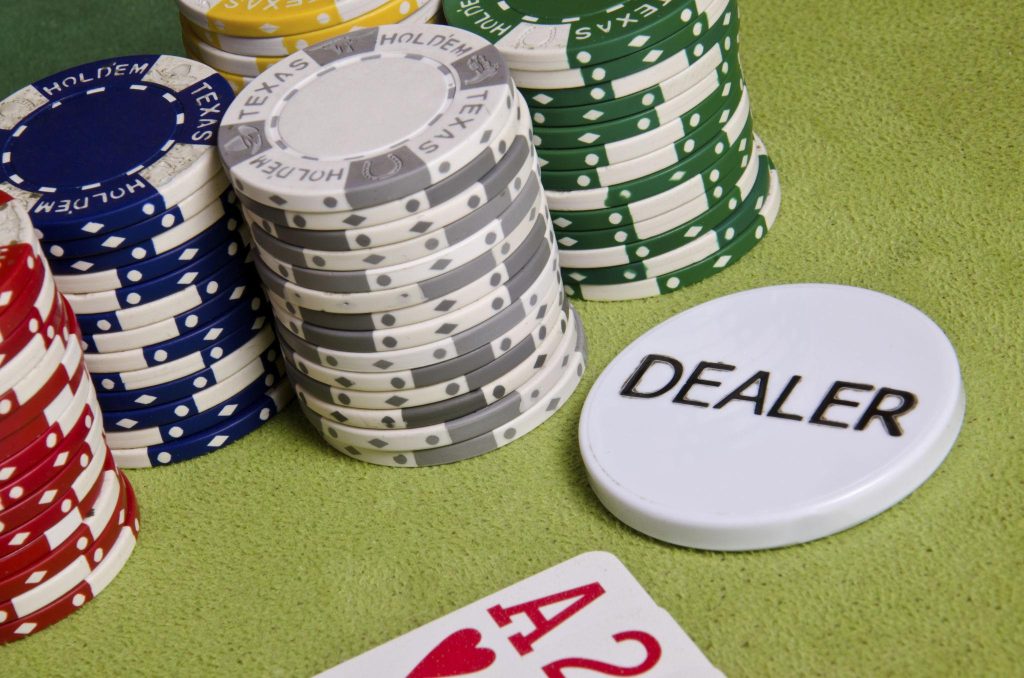

In high-level poker, few concepts are more important than positional awareness. While beginners often focus heavily on starting hands, experienced players understand that position influences nearly every strategic decision at the table. The ability to act later in a betting round provides valuable information, greater control over pot size, and increased flexibility in both aggressive and defensive situations.
At advanced levels of poker, positional awareness becomes more than simply knowing where the dealer button sits. Elite players constantly adjust ranges, bluff frequencies, bet sizing, and postflop strategies based on relative position. Small positional advantages accumulate over time and often separate winning professionals from inconsistent players.
Modern poker theory places enormous emphasis on position because acting last creates informational leverage. In a game where incomplete information drives decision-making, having more information than opponents becomes one of the strongest strategic advantages available.
What Position Means in Poker
Position refers to the order in which players act during a hand.
In games like Texas Hold’em and Omaha, players act clockwise around the table. The dealer button rotates after every hand, changing positional relationships continuously.
Players seated closer to the dealer button act later during postflop betting rounds, while players farther away act earlier.
The major positional categories include:
- Early position
- Middle position
- Late position
- Blinds
Late position generally provides the strongest strategic advantage because players gain additional information before making decisions.
Why Acting Last Matters
Poker is fundamentally a game of incomplete information. Every extra piece of information helps players make more accurate decisions.
Acting later allows players to:
- Observe opponent actions first
- Gather betting information
- Control pot size more effectively
- Bluff with greater precision
- Realize equity more efficiently
Players in early position must act without knowing how opponents behind them will respond. This uncertainty forces tighter and more cautious play.
Late-position players can widen ranges because they possess greater informational control.
The Power of the Dealer Button
The dealer button is considered the most profitable position in poker.
After the flop, the button acts last on every betting street unless the hand becomes heads-up against the blinds preflop.
This advantage creates several strategic benefits:
- More profitable steals
- Better bluff opportunities
- Improved pot control
- Easier value extraction
- Stronger decision-making flexibility
Over large sample sizes, players consistently earn more profit from the button than from any other seat at the table.
Early Position Requires Stronger Ranges
Early-position players face the greatest risk because multiple opponents still have opportunities to act behind them.
As a result, strong players tighten their opening ranges significantly from early position.
Typical early-position hands include:
- Premium pairs
- Strong suited broadways
- High-value ace combinations
Marginal hands become difficult to play profitably because:
- More players may enter the pot
- Stronger hands can dominate weaker holdings
- Postflop disadvantage increases
High-level poker rewards discipline in early position.
Late Position Expands Strategic Flexibility
Late position dramatically increases playable hand ranges.
Strong players widen their opening ranges from cutoff and button positions because:
- Fewer opponents remain
- Bluff success rates increase
- Positional advantage offsets weaker hand strength
Late-position play encourages:
- Stealing blinds aggressively
- Applying pressure postflop
- Isolating weaker players
- Controlling hand flow
This flexibility makes position one of the strongest long-term profit generators in poker.
Positional Awareness and Bluffing
Position heavily influences bluffing frequency and profitability.
Bluffs work more effectively when players act last because they can evaluate opponent weakness before committing chips.
Late-position bluffing advantages include:
- More fold equity
- Better board analysis
- Improved pot manipulation
- Easier continuation betting
Out-of-position bluffs carry greater risk because opponents retain informational control.
Modern poker strategy emphasizes aggressive positional bluffing while discouraging reckless out-of-position aggression.
Positional Equity Realization
Equity realization refers to how effectively a player converts theoretical hand equity into actual profit.
Position improves equity realization because players:
- See opponent actions first
- Avoid costly mistakes more easily
- Extract additional value
- Reduce vulnerability to aggression
For example:
- A medium-strength hand may become highly profitable in position
- The same hand may lose value dramatically out of position
Advanced players constantly evaluate how position affects a hand’s practical playability rather than relying solely on raw card strength.
The Difficulty of Playing Out of Position
Playing out of position is one of the greatest challenges in poker.
Out-of-position players must:
- Act without full information
- Defend against pressure
- Manage pot size carefully
- Navigate difficult river decisions
Even strong hands become harder to play profitably when forced to act first repeatedly.
This disadvantage explains why professional players aggressively compete for positional control during preflop action.
Positional Awareness in Cash Games
Cash games place enormous importance on positional discipline because deep stacks create complex postflop situations.
Strong cash-game players focus heavily on:
- Seat selection
- Button aggression
- Blind defense adjustments
- Positional isolation raises
Deep-stack poker magnifies positional advantages because more betting decisions occur after the flop.
Small positional edges compound significantly over long sessions.
Tournament Poker and Position
Tournament poker introduces additional positional considerations because stack sizes fluctuate constantly.
As blinds increase:
- Positional stealing becomes more important
- Short stacks must push wider in late position
- Early-position mistakes become more costly
Bubble dynamics also amplify positional pressure because players fear elimination.
Late-position aggression becomes especially powerful near payout jumps and final tables.
Blind Play and Positional Disadvantage
The small blind and big blind are the least profitable positions in poker because players are forced to invest chips while acting early postflop.
Blind defense requires careful adjustment because:
- Players already have money committed
- Opponents attack frequently
- Positional disadvantage persists throughout the hand
Modern poker theory encourages defending blinds more actively than older strategies recommended, but positional awareness remains critical when selecting defensive ranges.
Positional Awareness in Multiway Pots
Position becomes even more valuable in multiway situations.
With multiple opponents:
- Information gaps widen
- Pot complexity increases
- Bluff opportunities decrease
- Mistakes become more expensive
Late-position players gain enormous informational advantages because they observe several opponent decisions before acting.
Strong multiway poker requires patience, discipline, and careful positional planning.
Positional Pressure and Aggression
High-level poker often revolves around applying positional pressure.
Aggressive players use late position to:
- Force difficult decisions
- Attack capped ranges
- Exploit passive opponents
- Control betting pace
Position allows aggression without excessive risk because players can respond more accurately to resistance.
This dynamic explains why professional games often feature intense battles over button control and late-position raises.
Continuation Betting and Position
Continuation betting strategy changes dramatically based on position.
In position, players can:
- C-bet more frequently
- Apply pressure across multiple streets
- Use smaller sizing effectively
- Realize bluffs more efficiently
Out of position, continuation betting becomes riskier because opponents can exploit predictable aggression.
Modern solver-based poker strategies carefully balance continuation betting frequencies according to positional dynamics.
Positional Awareness and Hand Reading
Hand reading improves significantly when acting last.
Position helps players:
- Narrow opponent ranges
- Interpret betting patterns
- Evaluate timing behavior
- Detect weakness more accurately
Every action observed before making a decision reduces uncertainty.
This informational edge is one of the primary reasons position remains so valuable in advanced poker theory.
Stack Sizes and Position
Effective stack depth changes how position influences strategy.
Deep Stacks
With deep stacks:
- Position becomes extremely important
- Postflop maneuvering increases
- Bluffing opportunities expand
Short Stacks
With shallow stacks:
- Preflop decisions dominate
- Positional advantage decreases somewhat
- Push-fold strategy becomes more relevant
Still, even short-stack situations reward late-position aggression and wider opening ranges.
Psychological Impact of Position
Position also affects psychological pressure at the table.
Players acting out of position often feel:
- Uncertainty
- Defensive pressure
- Reduced control
In-position players typically feel more confident because they possess greater flexibility and information.
Strong professionals use this psychological advantage to pressure opponents into mistakes.
Exploiting Weak Positional Awareness
Many recreational players underestimate positional importance.
Common mistakes include:
- Playing too many hands from early position
- Calling excessively out of position
- Ignoring positional disadvantage postflop
- Bluffing recklessly from the blinds
Advanced players exploit these weaknesses aggressively.
Positionally aware players recognize that even small mistakes become highly expensive over thousands of hands.
Solver Influence on Positional Strategy
Modern poker solvers have confirmed how critical position truly is.
Solver outputs consistently demonstrate:
- Wider ranges in late position
- Increased aggression on the button
- Tighter early-position construction
- Positional equity advantages
While older poker strategies understood position conceptually, modern analysis quantifies its impact with remarkable precision.
Today’s elite players build entire strategies around positional optimization.
Adapting Positionally Against Different Opponents
Positional strategy also depends on opponent tendencies.
Against passive players:
- Late-position aggression increases
- Blind stealing becomes highly profitable
Against aggressive opponents:
- Positional trapping strategies emerge
- Bluff-catching frequency may increase
Elite poker players constantly adapt positional tactics based on table dynamics and player behavior.
Conclusion
Positional awareness is one of the foundational principles of high-level poker strategy. Acting later provides informational advantages, improved equity realization, stronger bluffing opportunities, and greater control over pot dynamics.
Modern poker theory has elevated position from a basic concept into a central strategic framework that influences nearly every decision at the table. Successful players carefully adjust ranges, aggression, and postflop tactics according to positional relationships.
In high-level poker, position is not merely helpful. It is often the difference between profitable and unprofitable decision-making. Players who fully understand positional awareness gain a lasting strategic edge that compounds over thousands of hands and countless competitive situations.
FAQ
Why is position so important in poker?
Position provides informational advantage because players acting later can observe opponent actions before making decisions.
Which poker position is the strongest?
The dealer button is generally considered the strongest position because it acts last on postflop betting rounds.
Why should players tighten ranges in early position?
Early-position players face more opponents behind them and must act with less information, increasing overall risk.
How does position affect bluffing?
Bluffing becomes more effective in position because players can evaluate opponent weakness before committing chips.
Are blinds the worst positions in poker?
Yes. The small blind and big blind are usually the least profitable positions because players act early while already investing forced bets.
Does position matter more in tournaments or cash games?
Position is critical in both formats, though deep-stack cash games often magnify positional advantages because of more complex postflop play.
Can strong hands still lose value out of position?
Yes. Even premium hands become harder to play profitably when forced to act first throughout the hand.